1. Predicting Structural Performance Before Manufacturing
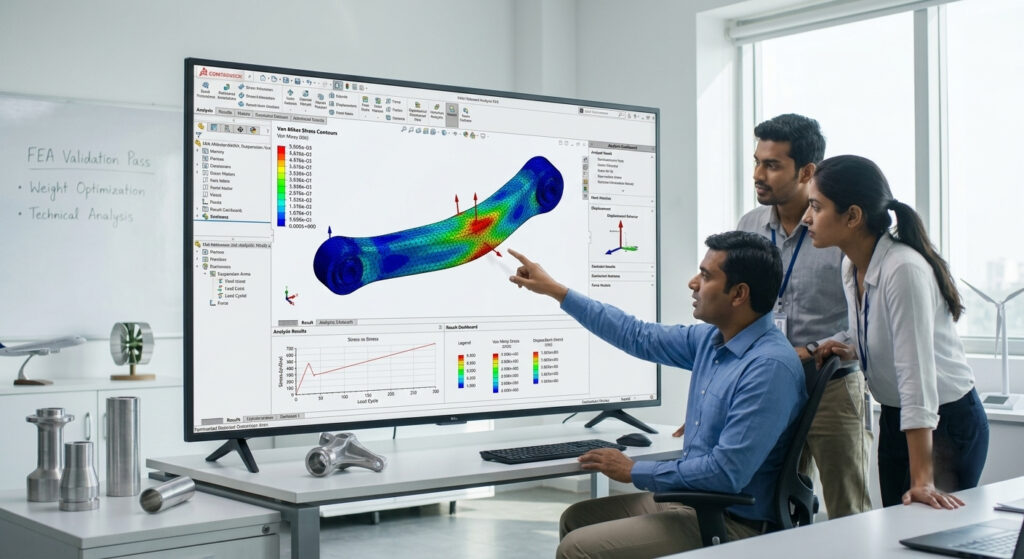
One of the biggest advantages of Finite Element Analysis is its ability to predict how a product or structure will behave under actual operating conditions before it is physically built. Engineers can simulate loads, pressure, vibration, thermal effects, and other stresses to evaluate structural strength and performance. This helps identify whether a design can handle real-world demands without excessive deformation or failure. By understanding product behavior early in the design process, companies can make better engineering decisions and reduce the risk of costly design issues later in production.
2. Identifying Weak Points and Design Failures Early
FEA helps engineers detect weak areas in a design that may not be obvious during initial development. The simulation highlights stress concentration zones, material fatigue risks, and regions that may crack, bend, or fail under repeated loading. This allows engineering teams to make design improvements before manufacturing begins, rather than discovering issues during physical testing or field use. Early identification of weak points improves product safety, reduces the likelihood of failure, and helps organizations build more durable and dependable components.
3. Reducing Physical Prototyping and Development Costs
Conclusion
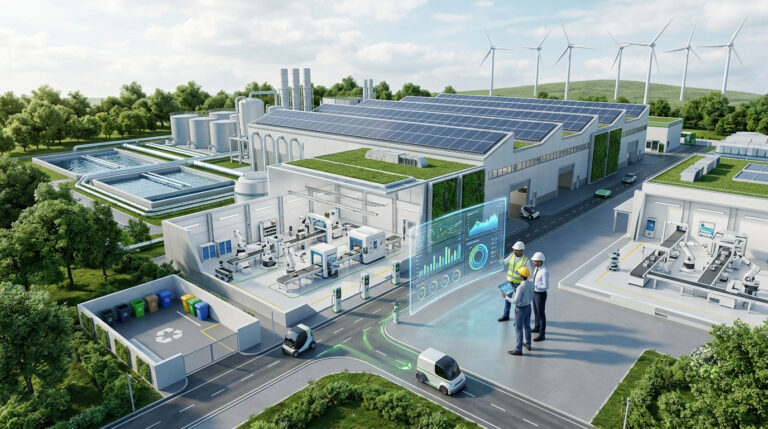
Despite these challenges, innovative engineering solutions continue to improve the efficiency, reliability, and scalability of renewable energy projects, supporting the global transition to clean energy.
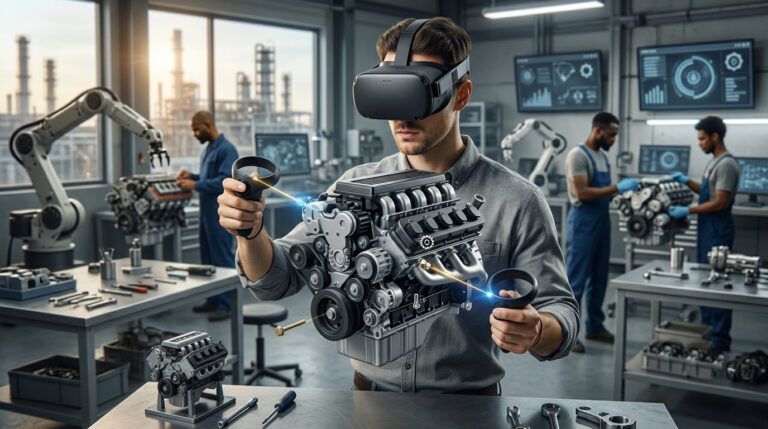
Traditional engineering development often requires multiple physical prototypes to test and refine a design, which can be expensive and time-consuming. FEA reduces this dependency by allowing engineers to perform virtual testing on digital models before producing physical parts. Different design variations can be evaluated quickly to find the best solution without repeated manufacturing and testing cycles. This lowers prototyping costs, saves material resources, and shortens development timelines. For companies working on complex industrial equipment or machinery, this can significantly improve project efficiency and cost control.