1. Interactive Product Visualization
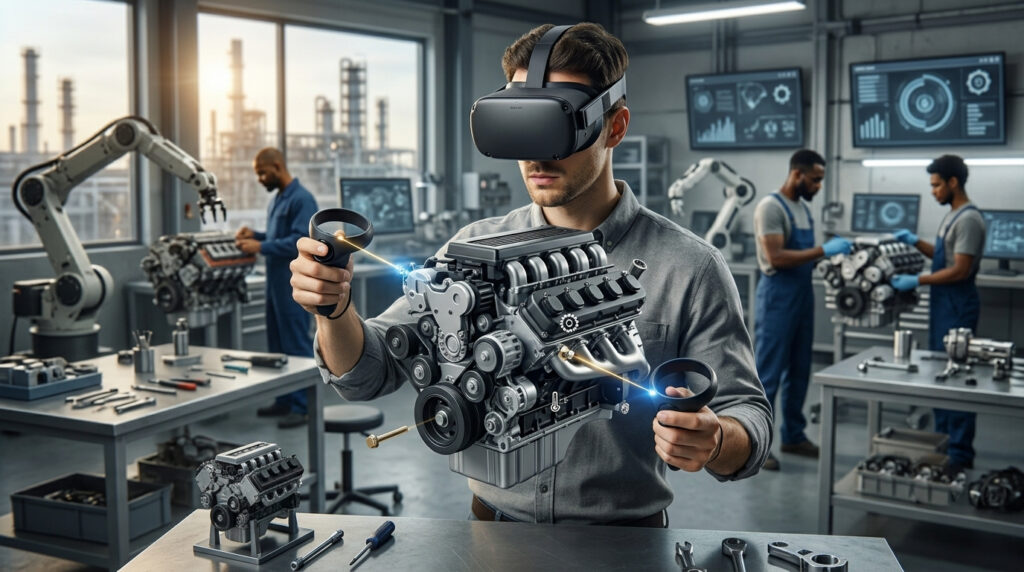
Customers and stakeholders can explore products from every angle, view internal components, and understand functionality through realistic 3D interactions.
2. Immersive Training and Learning
Interactive 3D environments allow employees to learn equipment operation, maintenance procedures, and safety protocols in a realistic and risk-free setting.
3. Virtual Facility and Plant Experiences
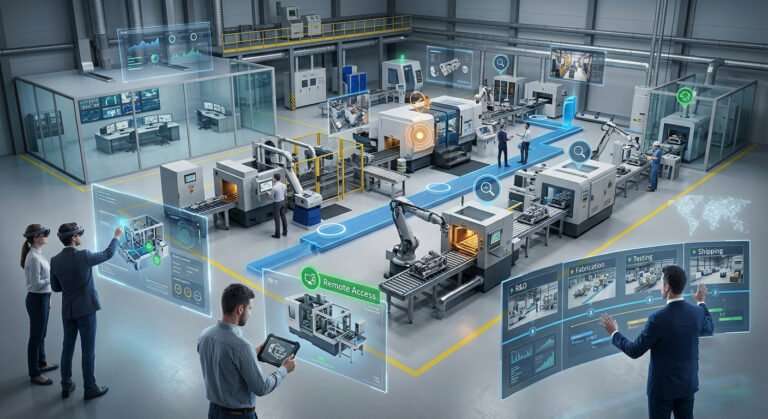
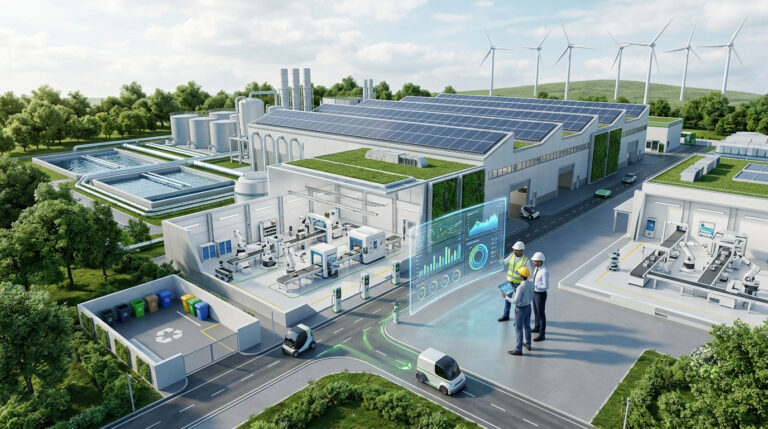
Companies can provide virtual walkthroughs of factories, production lines, and industrial facilities, improving communication with clients and investors.
4. Enhanced Engineering Collaboration
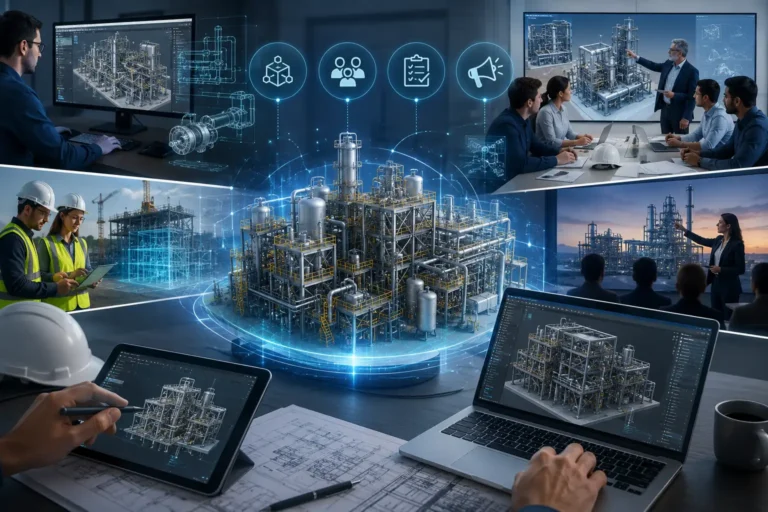
Engineers, designers, and project teams can review and modify 3D models in real time, improving collaboration and reducing project delays.
5. Integration with AR and VR Technologies
The future of industrial interaction includes Augmented Reality (AR) and Virtual Reality (VR), enabling users to experience products and processes in highly immersive digital environments.
Key Benefits
- Improved customer engagement
- Better product understanding
- Enhanced training effectiveness
- Faster project approvals
- Reduced development costs
- Improved team collaboration
- Increased sales opportunities
- Reduced reliance on physical prototypes
- More effective presentations
- Stronger competitive advantage
Conclusion
The future of 3D interactive experiences is reshaping industrial communication, training, and product visualization. By leveraging interactive technologies, AR, VR, and real-time collaboration tools, industrial businesses can improve efficiency, enhance customer experiences, and stay ahead in an increasingly digital and competitive marketplace.