1. Real-Time Equipment Monitoring
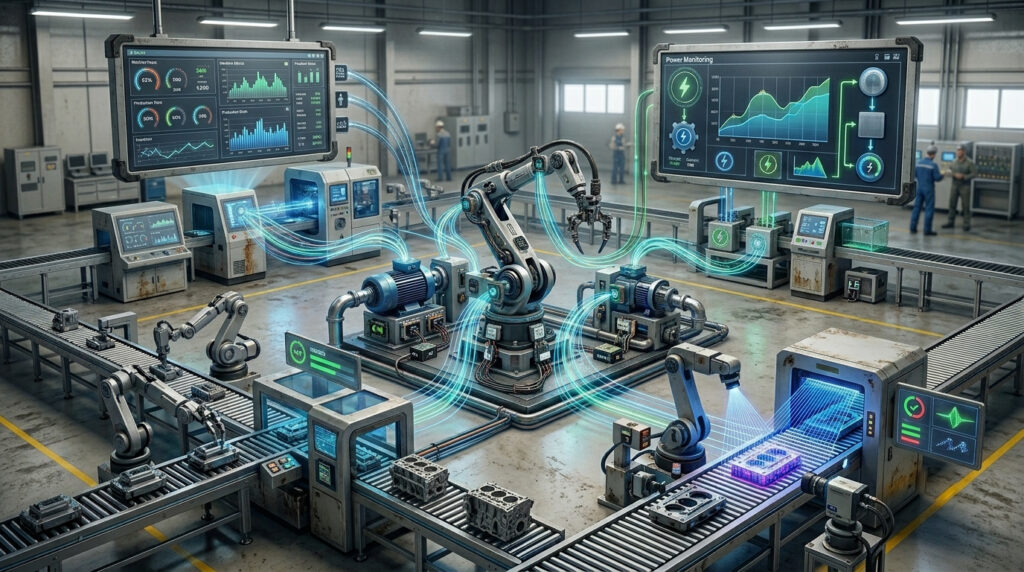
Smart sensors continuously collect data from machines and production systems, allowing operators to track performance and identify issues before they impact operations.
2. Predictive Maintenance
By monitoring temperature, vibration, pressure, and other critical parameters, smart sensors help predict equipment failures and schedule maintenance before breakdowns occur.
3. Improved Production Efficiency
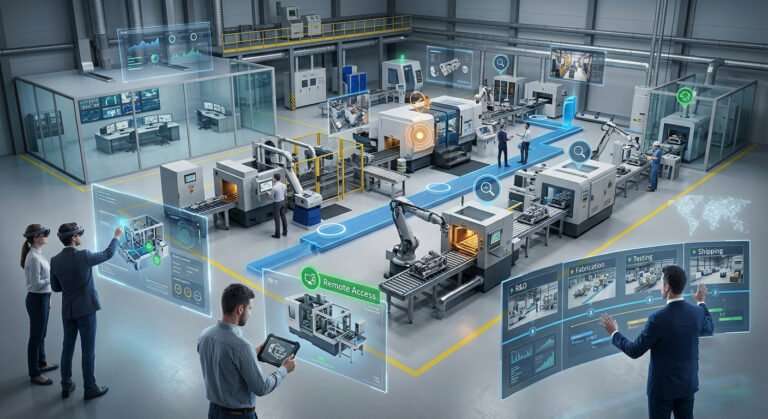
Real-time data enables manufacturers to optimize workflows, reduce bottlenecks, and improve machine utilization, leading to higher production output.
4. Enhanced Quality Control
Smart sensors detect variations in production processes and product quality, helping manufacturers maintain consistent standards and reduce defects.
5. Better Energy Management
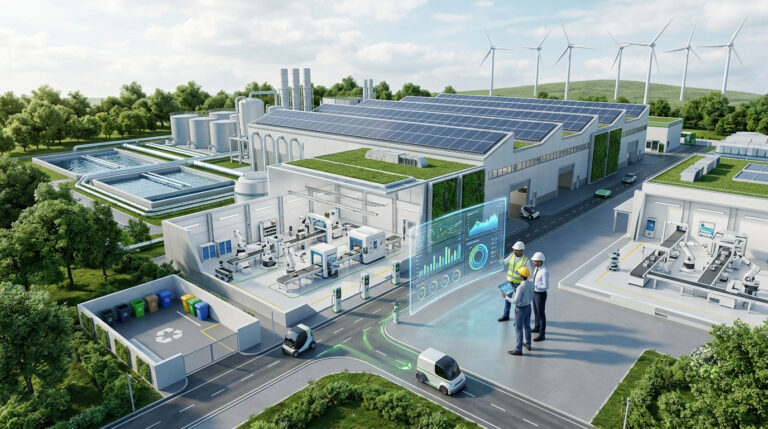
Sensors monitor energy consumption across facilities, allowing companies to identify inefficiencies and reduce operational costs through smarter energy usage.
Key Benefits
- Increased operational efficiency
- Improved product quality
- Higher production output
- Real-time performance visibility
- Better energy efficiency
- Reduced material waste
- Faster decision-making
Conclusion
Smart sensors are a key component of modern industrial automation and Industry 4.0. By providing real-time monitoring, predictive maintenance capabilities, and valuable operational insights, they help manufacturers improve productivity, reduce costs, and achieve more efficient and reliable production processes.