1. Simplifying Complex Engineering Processes
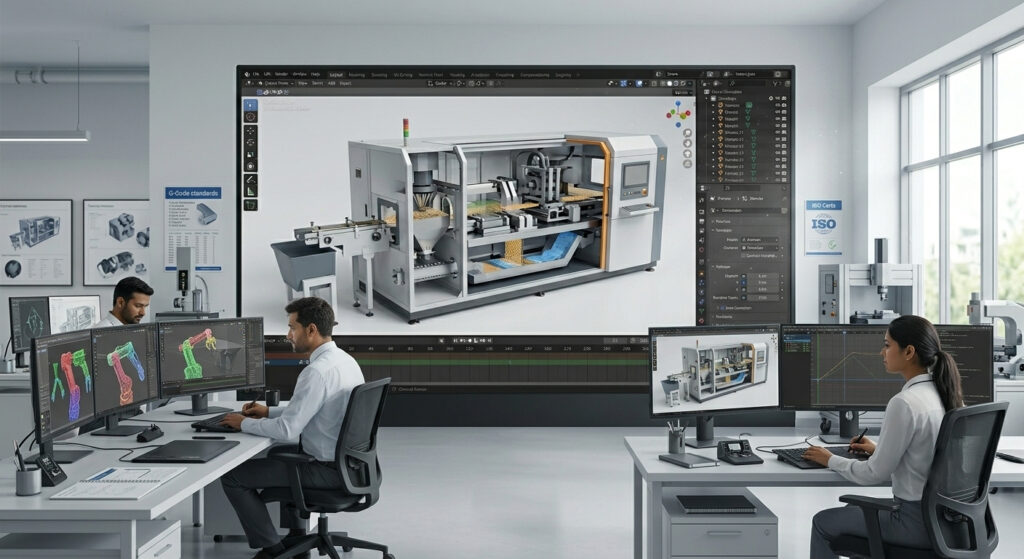
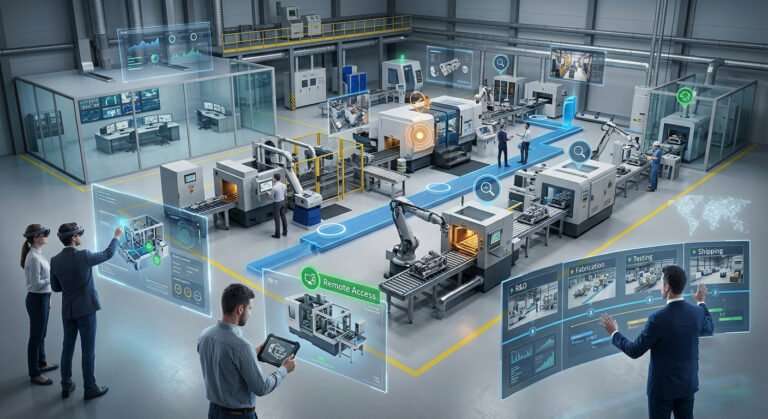
Engineering systems often involve numerous components working together simultaneously. Explaining these processes through technical drawings or documents can be challenging for clients and stakeholders. 3D industrial animation visually demonstrates workflows, equipment functions, and operational sequences, making complex concepts easy to understand within minutes.
2. Improving Product Design Visualization
Before a product is manufactured, engineers need to evaluate its functionality and performance. 3D animation allows teams to create realistic digital representations of products and machinery. Stakeholders can view internal mechanisms, moving parts, and assembly sequences, helping identify design improvements before production begins.
3. Enhancing Technical Training and Knowledge Transfer
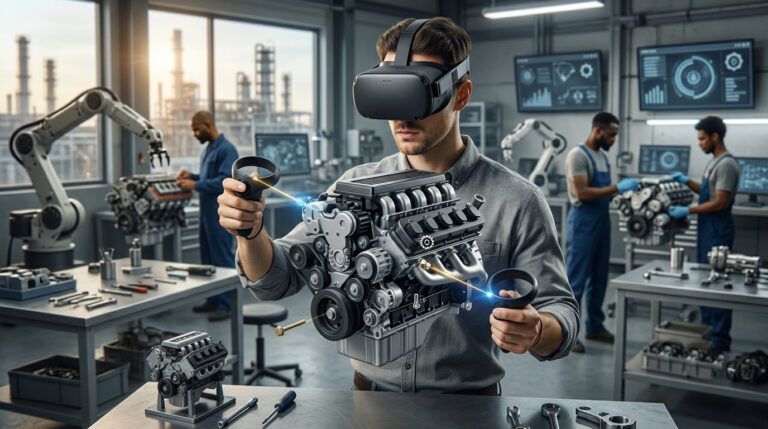
Training employees on industrial equipment can be time-consuming and expensive. 3D animated training modules provide a safe and effective learning environment where workers can observe machine operations, maintenance procedures, and safety protocols without interrupting actual production processes. This improves learning efficiency and reduces operational risks.
4. Strengthening Sales and Marketing Presentations
Industrial products often contain advanced technologies that are difficult to showcase through photographs or brochures. 3D industrial animations enable companies to demonstrate product features, operating principles, and performance advantages in an engaging format. Sales teams can use these visual presentations to effectively communicate value to potential customers and investors.
5. Supporting Project Planning and Client Approvals
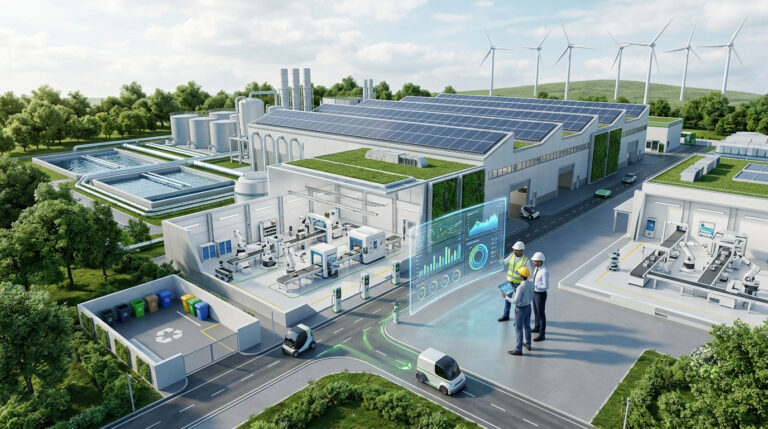
Large-scale engineering projects require clear communication between designers, engineers, contractors, and clients. 3D animations provide a realistic preview of proposed systems and facilities before construction begins. This helps stakeholders understand project scope, review layouts, and make informed decisions, reducing misunderstandings and costly revisions later in the project lifecycle.
Conclusion
3D industrial animation is revolutionizing the way engineering concepts are communicated across industries. From simplifying technical processes and improving training programs to enhancing product marketing and project planning, animation helps bridge the gap between complex engineering data and audience understanding. As industries continue embracing digital transformation, 3D animation will remain an essential tool for innovation, communication, and business growth.