1. Smart Factories and Industry 4.0
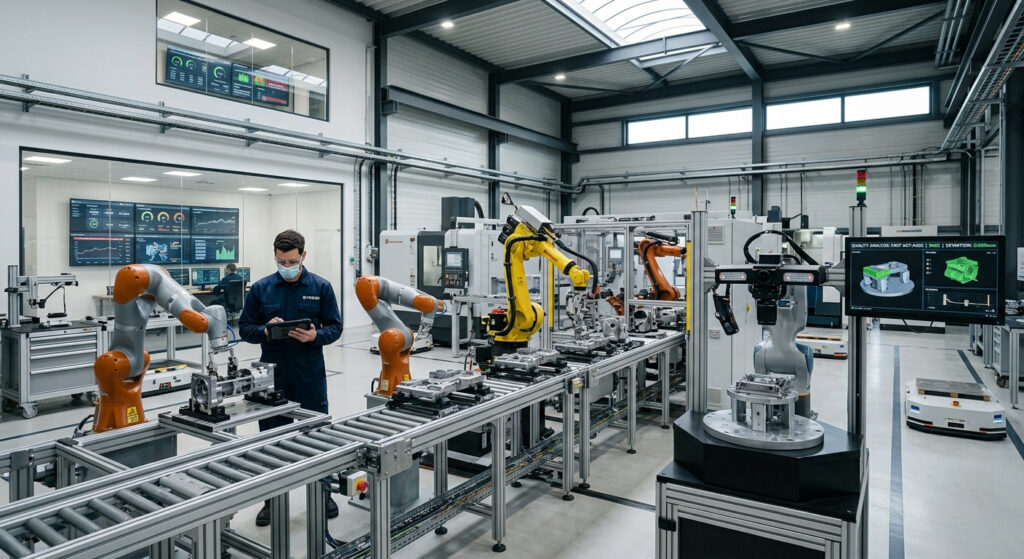
The concept of Industry 4.0 is revolutionizing manufacturing by connecting machines, systems, and people through digital technologies. Smart factories use sensors, data analytics, and cloud computing to monitor operations in real time. This allows manufacturers to identify inefficiencies, optimize production processes, and make data-driven decisions that improve overall performance.
2. Artificial Intelligence and Machine Learning Integration
Artificial Intelligence (AI) and Machine Learning (ML) are becoming essential components of industrial automation. These technologies analyze large volumes of production data to predict equipment failures, improve quality control, and automate complex decision-making processes. AI-driven systems help manufacturers reduce downtime, increase efficiency, and continuously improve operational performance.
3. Collaborative Robots (Cobots) in Manufacturing
Unlike traditional industrial robots that operate in isolated environments, collaborative robots are designed to work safely alongside human operators. Cobots assist with repetitive tasks, material handling, assembly operations, and quality inspections. Their flexibility and ease of deployment make them ideal for manufacturers looking to increase productivity while maintaining a human workforce.
4. Industrial Internet of Things (IIoT)
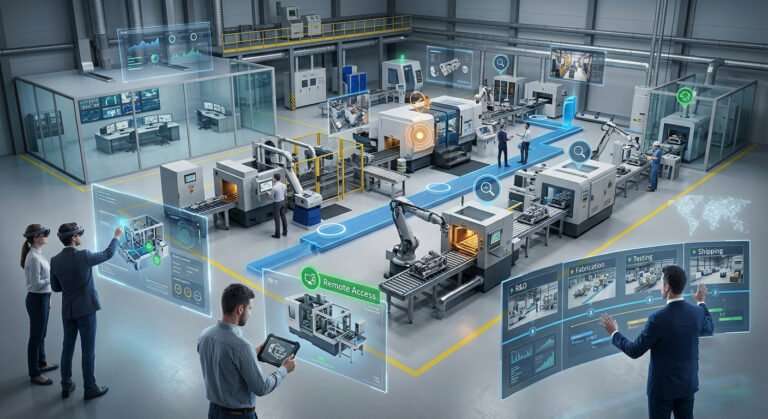
The Industrial Internet of Things (IIoT) connects machines, equipment, and devices through a network that enables seamless communication and data sharing. Real-time monitoring of machinery allows manufacturers to track performance, detect issues early, and schedule predictive maintenance. IIoT solutions help reduce unexpected breakdowns and improve the reliability of manufacturing operations.
5. Digital Twins and Predictive Manufacturing
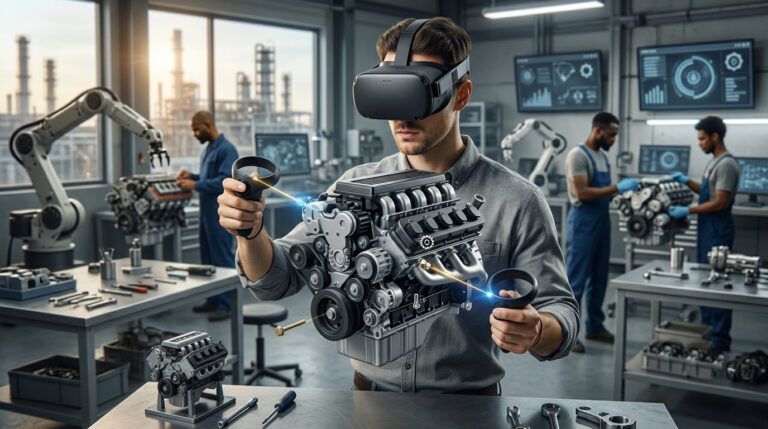
Digital twin technology creates a virtual replica of physical equipment, production lines, or entire facilities. Manufacturers can simulate operations, test process improvements, and identify potential issues before implementing changes in the real environment. Combined with predictive analytics, digital twins help organizations improve efficiency, reduce costs, and enhance product quality while minimizing operational risks.
Conclusion
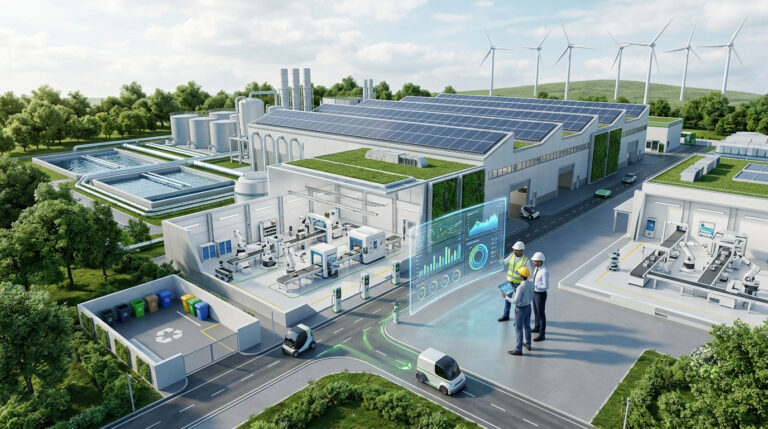
The future of industrial automation is driven by intelligent technologies that enhance efficiency, productivity, and operational reliability. Smart factories, AI-powered systems, collaborative robots, IIoT connectivity, and digital twin technology are transforming the way manufacturers operate. Companies that embrace these innovations will be better positioned to meet evolving market demands, improve competitiveness, and achieve sustainable growth in the years ahead.